
The EU Has Banned the Destruction of Unsold Fashion. Your License Agreement May Hold A Key Exception.
Here’s what American brands licensing into Europe need to know about the new destruction ban, and why post-term inventory clauses matter now more than ever.
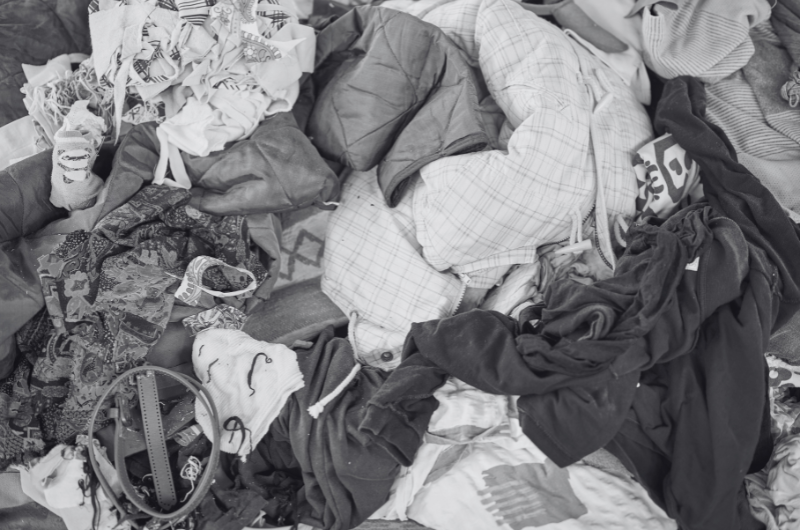
Back in 2018, Burberry revealed it had burned $38 million (£28.6 million) worth of unsold coats, bags, and perfume to keep them out of discount stores (“to protect the brand”). The public backlash was swift. As a result, the European Union enacted rules to curb the practice. As of July 19, 2026, large companies are no longer allowed to destroy unsold apparel, accessories, or footwear in the EU. If you’re an American brand licensing into Europe or working with partners who sell there, pay attention to one key exception in your licensing agreement.
The ban explained
Article 25 of the EU’s Ecodesign for Sustainable Products Regulation (ESPR) prohibits large companies from destroying unsold apparel, accessories, and footwear. The regulation will go into effect for medium-sized companies in 2030. Small companies are exempt.
Two things to know about this rule. First, 'destruction' means more than just sending items to a landfill. Recycling is included, so shredding unsold clothes for fiber recovery is also banned. It still allows donation, resale, and remanufacturing, evidence of where the EU would prefer this inventory to go. Second, the rule applies to the product itself, no matter where the company is based. If your American brand sells in Europe and meets the company size requirements, the rule applies to you.
The intellectual property exception
In February 2026, the European Commission released detailed rules about when destruction is allowed. Three of these reasons involve intellectual property. First, goods that infringe on someone else’s IP rights, like counterfeits, can be destroyed. Second, goods can be destroyed if a license or contract has expired and it blocks further sale or distribution. Third, destruction is allowed if it’s technically impossible to remove or permanently cover up logos and protected design features.
The second reason is especially important for licensing. Whether a licensee can legally destroy leftover inventory at the end of a contract depends on the agreement's terms regarding the sale of goods after the term ends. This once-standard clause can now impact a brand operating in the EU.
How this affects sell-off clauses
Usually, a licensee gets 90 or 180 days after a contract ends to sell off leftover stock. Under the new rules, allowing these extra sales makes it harder to use the destruction exception. Only a strict end to the contract, with a clear ban on post-term sales, creates the exception.
Neither option works for every deal, and writing a ban just to allow destruction could attract regulators' attention, who designed these rules to be strict. The main point is that what used to be routine now determines whether a company with a warehouse of branded goods can destroy them, donate them, or end up stuck with them.
Logos can make a difference
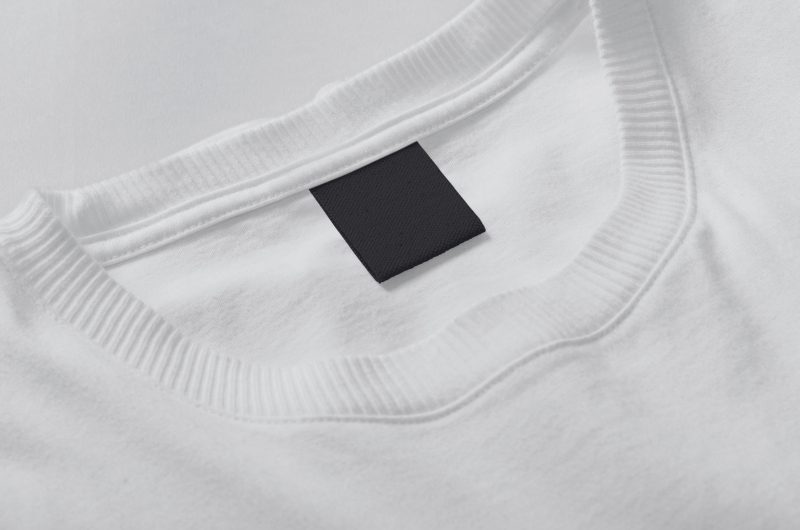
Destruction for branding reasons is allowed only if the product cannot be reused because the branding is impossible to remove or permanently cover. For example, an all-over monogram jacquard qualifies, but a plain garment with a woven neck label does not. That plain garment can be de-branded and then donated or resold. Covering a logo with a hangtag is temporary and does not count as de-branding. Permanently removing a label, like ripping it out at the seam, does count, and if that’s possible, the destruction exception does not apply.
Most license agreements don’t address de-branding: who does it, how well it’s done, who pays for it, or if de-branded goods can be sold at all. They need to start. A poorly removed logo in the resale market is still your brand, just raggedy-looking.

A poorly removed logo in the resale market is still your brand, just raggedy-looking.
Documentation is required
If a company uses any exception, it must document its reasons, keep records for five years, and provide a statement to the waste operator. In addition, large companies must publicly report how much unsold product they discard and why.
What does this mean? If your licensee destroys your branded goods under the license-restriction exception, both the amount and the reason will appear in their public reports. Your brand’s disposal practices will be in a report you didn’t write or control. Including a notice and coordination clause now seems necessary.
What this means for agreements already signed
Traditionally, termination provisions require the licensee to destroy all unsold branded inventory and provide a certificate of destruction. In the EU, this could now mean ordering something illegal unless a real exception applies. The usual backup, donation, also has its own hurdles: before using the failed-donation exception, goods must be offered to at least three social economy organizations or listed on the company’s website for at least eight weeks. Imagine a luxury collaboration sitting on a licensee’s website for two months, waiting for someone to claim it.
Review your agreements now if you do business in the EU. Post-term inventory rules, destruction certificates, buyback rights, and quality-control terms all interact with these new rules in ways most people didn’t expect.
Even though the destruction ban targets fast fashion, your contracts could pose a compliance challenge. If your brand licenses into the EU or works with partners who do, review the post-term provisions before your next renewal. Your IP counsel should be involved in the process to review licensing and collaboration agreements with these rules in mind. If you need help with this, you can start by filling out the inquiry form.