
Shein and Temu Enforcement for Designers
Representation for designers whose work ends up on Shein, Temu, and similar marketplaces.
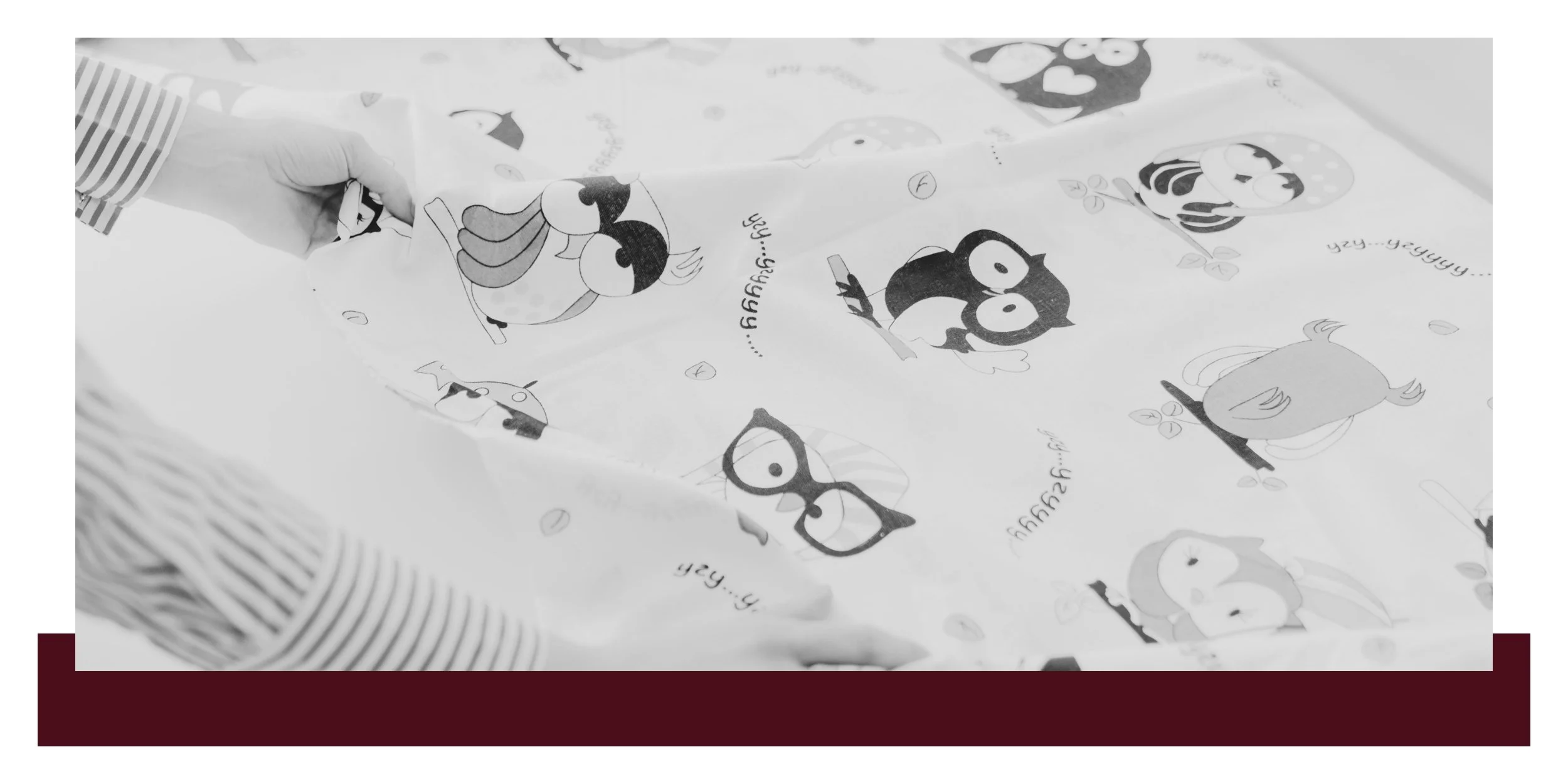
A hand-painted print you created is featured on a pair of pants sold on Shein for $13.68, with over 400 units sold, according to the listing. The original artwork is on a skirt you designed, currently in your studio and priced based on actual production costs. You take a screenshot of the listing, the reviews, and the seller’s page. Then you find yourself staring at your camera roll, pondering what to do next.
What you should do next depends on who is selling the item, when your copyright registration was issued (if you have one), and where the money goes when someone buys it. You can resolve some issues with a takedown notice, while others may require involving the Copyright Claims Board or even a federal court.

If This Sounds Familiar…
You discover your textile print, graphic, or jewelry design listed for sale by a seller you don’t recognize, and you never authorized the listing.
A knockoff of your design is being sold using your own product photos and videos.
You submitted takedown requests, and while those listings were removed, nearly identical listings quickly reappeared under different seller names.
A platform licensed your design from someone who falsely claimed it as their own.
You registered your copyright after the copying began and thought you were too late to take any action. However, while registration timing can affect what you can recover, it does not decide whether you have a case.
What I Handle
I develop registration strategies with enforcement in mind because a case’s strength is often determined before anyone even considers filing a lawsuit. This includes careful attention to ownership records, deposit choices, and filing dates. I send takedown notices and draft them to be effective. If a letter and a negotiated resolution can achieve better results than filing a lawsuit, I will pursue that first. When a case is appropriate for federal court, I will file it and even target the payment processors holding the funds the seller received for your work before those funds disappear overseas.
I focus on identifying the correct defendant. Recent legal decisions have clearly distinguished between the platforms and the sellers operating on them. Courts often dismiss cases based on incorrect theories before they reach discovery. Therefore, these cases must be built on a solid understanding of where the law currently stands.
How It Works
I begin with a case assessment. I look at what you own, what your records show, what evidence you may have, and what your options are. I’ll give you a clear answer about which option makes the most sense for your situation. If your case qualifies for a contingency arrangement, I will let you know. Before we schedule a consultation, you’ll need to complete an intake form so we can have a thorough, productive discussion.
Fees
Enforcement action pricing is determined after assessing your case, as the appropriate fee structure varies depending on the specifics of the situation. For takedown requests and demand letter engagements, I charge a flat fee, which I will provide after reviewing your intake. I scope and quote litigation costs before filing any documents. In some instances, cases may qualify for a contingency arrangement, meaning my fee will come from your case recovery. I will let you know during the assessment stage if your case qualifies for this arrangement.
Please note that all case-related costs, such as filing fees and service of process fees, are separate from my professional fees. Before you sign any agreement, you will receive a detailed breakdown of both my fees and the additional costs involved.
What This Doesn't Cover
Here are a few things that are not included in my services:
I do not represent sellers or platforms accused of infringement. I focus on assisting those whose work has been infringed.
If another independent designer or brand is copying your work, please visit the enforcement and disputes page for guidance. [Link: Enforcement & Disputes]
I do not handle litigation in foreign courts. If your issue needs to be resolved outside the U.S., I will collaborate with legal counsel in that jurisdiction.
If counterfeit versions of your product are entering the U.S., customs recordation may be just as important as any lawsuit. Start by visiting the recordation page for more information. [Link: US Customs Recordation]
I cannot guarantee financial recovery. Anyone who claims otherwise is not being honest.
Start Here
The enforcement intake process differs from my general form because these cases require specific information upfront. Please provide your listing links, images of your original work, and the date you first created or published the design. If you’d like to try a takedown yourself first, you can find a step-by-step guide on the Selvedge website that covers what to do in the first 48 hours after you discover a copy. [Link: The First 48 Hours]
FAQs
No, please bring what you have. If the work isn’t registered, I usually register it first. We will evaluate how that impacts your chances of recovering statutory damages and attorney’s fees.
Do I need a copyright registration before contacting you?
1
I already sent takedown notices. Did I hurt the case?
2
Rarely. Keep all records: notices, platform responses, and screenshots of any listings that reappear under new names. Copies that resurface after a takedown are still relevant and can be beneficial.
The seller appears to be overseas. Is it worth pursuing?
3
Yes, this situation often occurs. While the seller may be located overseas, someone in the U.S. usually manages both the listing and the funds. A federal court can order the listing removed and freeze the seller’s funds while they are held by U.S. payment processors, preventing the money from leaving the country. Assessing whether this action is worthwhile for your specific case is part of the evaluation process.
How fast can a listing come down?
4
It varies by platform and the strength of the evidence provided with the notice. Some listings may be removed within days. I cannot guarantee a timeline without reviewing the case, and you should be wary of anyone who claims they can.
Do you handle copied brand names and logos, or just designs?
5
In these cases, both issues can arise. If the problem involves your name or logo appearing on counterfeit goods instead of a copied design, the trademark enforcement and Customs recordation pages address that issue.