What Comes Down the River
Why I am developing a law practice centered on conscious fashion and beauty, and why it goes beyond just a business choice.
There is an approximately 85-mile stretch of the Mississippi River in Louisiana between Baton Rouge and New Orleans. The tourism board markets it as the River Road. Live oak trees, antebellum estates (PC for plantations), brown water rolling by. Seems pleasant. Drive the whole road, and you see the rest. The part they try to hide. Refineries. Chemical plants. Flares burning day and night. The people who live there, like my mother’s family, gave it a more appropriate name. Cancer Alley.
I did not come up with that rebrand. (Rebranding is literally a part of my job, and even I could not improve on that, except maybe to call it “Genocide Alley.”)
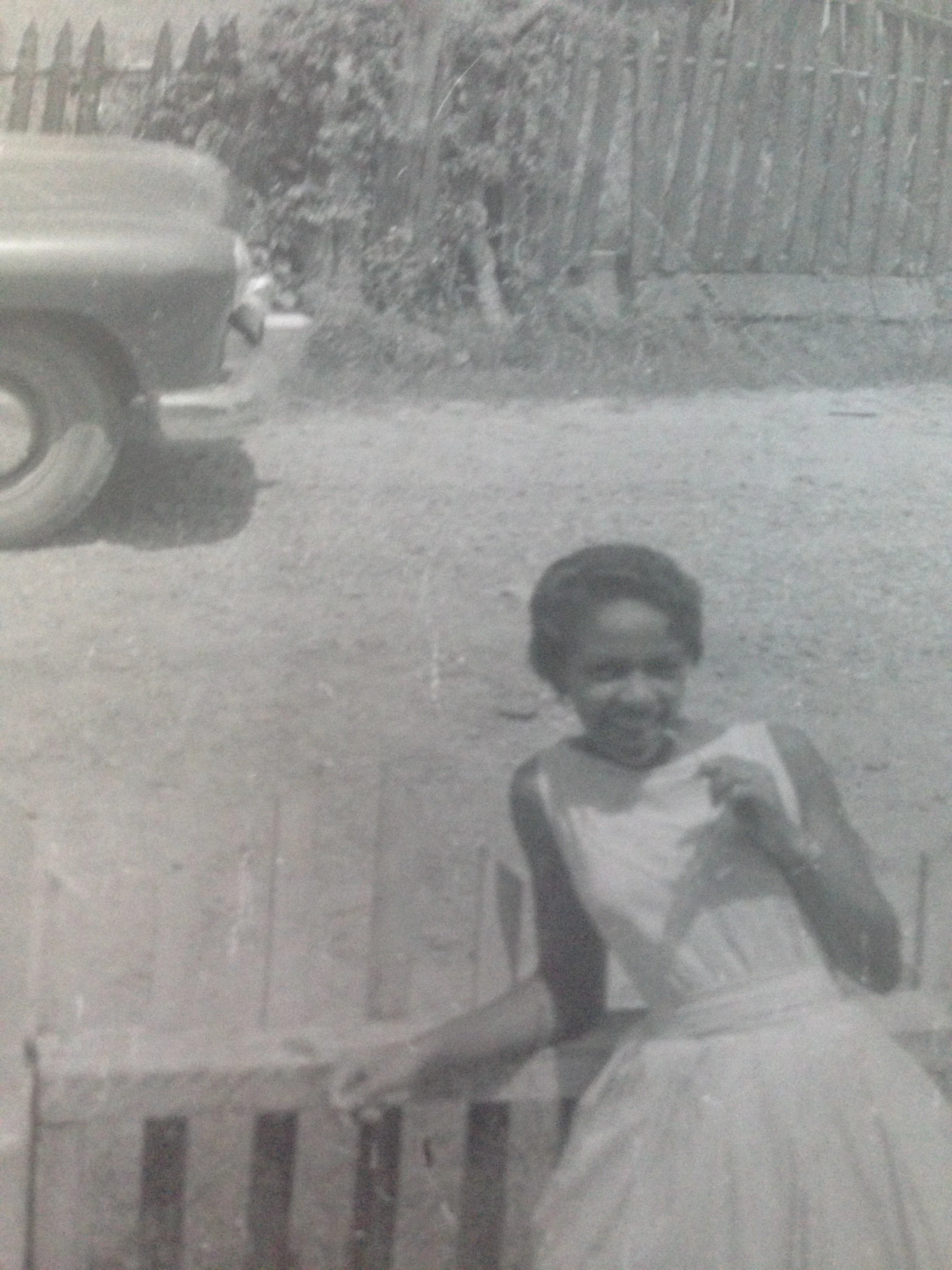
My mother was born in Plaquemine, when it was still sugar, timber, and bayou land. She was just a teenager when Dow purchased old plantation land in Iberville Parish and built it into one of the state’s largest petrochemical complexes. Dow made a deliberate decision to put that plant in that town, on the same ground that worked our people a century earlier. (I said what I said.)
A few miles from where my mother grew up, there was a town called Morrisonville. (Yes, “was.”) Freed people built it in the 1870s on river land near the plantation they had been freed from, and named it after their preacher, Rev. Robert Morrison. Generations lived in this town. That is, until Dow showed up. In 1958, Dow put a vinyl chloride plant right next door. By the 1980s, chemicals had seeped into the town’s well water. So Dow bought the whole town, told the residents their homes would be worthless if they refused, and moved them off the land. Their land. Some died before they ever got settled anywhere new. What is left of Morrisonville now sits behind Dow’s security gates. A graveyard and a small wooden prayer shed that you have to get permission to visit. Authorization to visit your own dead relatives…
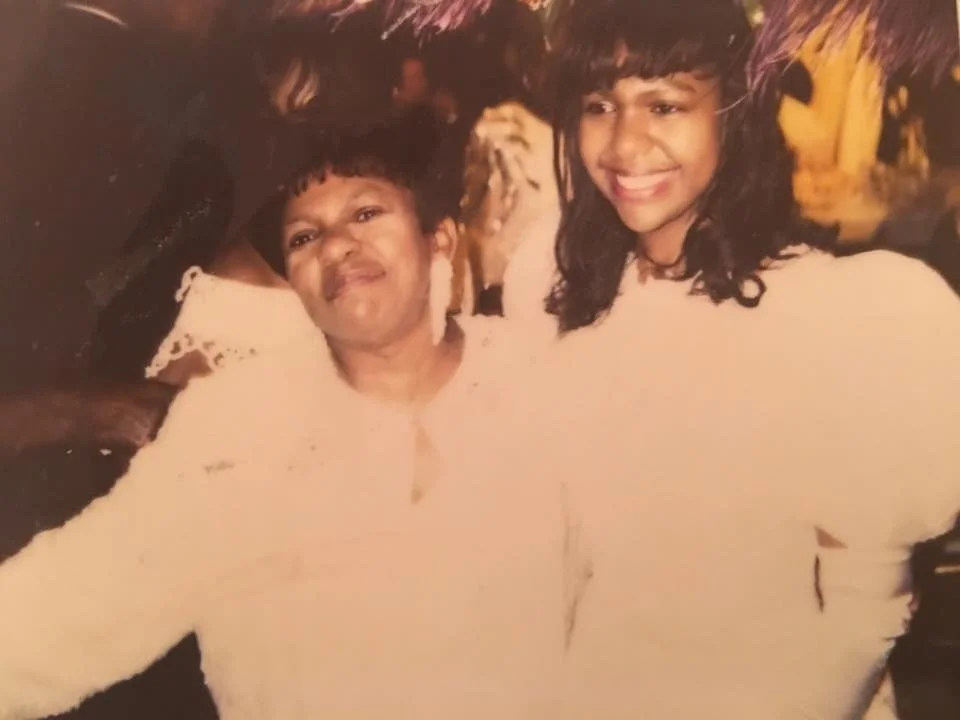
Most of my mom’s family remained in Iberville Parish, even after a few went down the river to the big city, New Orleans. Unfortunately, most of them joined their ancestors as a result of various cancers and related illnesses. Sunday and holiday dinners grew smaller over the years. Funerals became more like family gatherings because we had so many.
I was not the first to notice the similar reasons for the decline in my family size. Etta Lee Gulotta of Plaquemine lost her husband, a nonsmoker, to lung cancer in 1988. She needed to understand why, so she started knocking on doors. She counted seven more cancer cases on her own street and forty more within five blocks. Everywhere she turned, somebody had cancer.
So when I received my Stage 2 B breast cancer diagnosis, it didn’t feel like a random lightning bolt from a clear, blue sky. It felt like the handwritten letter I had been waiting for by the mailbox for years.
Things change when your name is on the chart, the hospital bands, the infusion packs, and the pill bottles. I started reading labels like contracts, slowly, suspicious of the fine print. What was in the microwave dinner I was about to eat? What was in the tea I was about to drink? And then I started looking at what I was wearing and what I was putting on my skin.
Most fast fashion is plastic. Polyester, nylon, and acrylic are all petroleum-derived, made from the same chemicals that burn off in the flares seen nightly along the River Road of the mighty Mississippi. I can no longer separate the $15 H&M shirt from the refineries. It is the refinery’s product: dyed, cut, and shipped to you in a plastic pouch for one season, then sent to a landfill or a beach in Ghana at the end of the season. Plastic doesn’t leave us. It just moves through our soil, our fish, our wildlife, and eventually back into us.
Fast fashion is trash in every sense of the word. I can’t keep contributing to my own demise.
People are building the alternative. Scientists and textile designers are working with hemp, organic cotton, Tencel, bamboo, seaweed, and fibers I had to look up. Natural skincare formulators who can pronounce every ingredient on the back of their products and tell you where each one was sourced. The resale and thrift world that decided a garment’s life does not have to end after a few washes.
Before I decided to focus my practice on conscious fashion and beauty, my clients were nonprofits and women doing the very necessary work in diversity, equity, and inclusion consulting and training. Their mission was to leave things better than they found them and to help individuals, corporations, and school systems understand how diversity benefits all of us. I have always wanted my client list to mean something, to point in a direction I am proud to stand in. My focus on conscious fashion and beauty is the same instinct, aimed at what has shaped my life and existence.
This is the work I am now choosing to do as an attorney. I protect the names and creative work of people who are trying to make something beautiful without making anyone sick. The independent designer who cuts her own patterns. The skincare formulator who reads ingredient lists as carefully as I do now. I want to understand the supply chain, logistics, decisions, strategies, operations, policies, and regulations.
Louisiana ranks dead last in the country for health, and has done so for four years running. Forty-eighth in physical environment. Fiftieth in health outcomes. But I don’t need a study to tell me why that is so. I’ve seen it. I’ve lived it. I’ve been shaped by it.
I can’t be neutral about an industry that changed my holidays, stole my happiness, and robbed me of my mother, my aunts, my grandparents, my cousins, and years of my own life. Plastic is killing us. It’s killing the wildlife that never had a vote. It’s killing the residents of those towns along the River Road, who are mostly Black.
I am using the fact that I have a practice and a perspective to my advantage. If you’re creating something beautiful and aiming to minimize harm, you’re exactly who I want to support. For those dedicated to building beauty while doing less harm, I’m here for you.
Please pull up a chair and take your well-earned seat. There is room at this table, and I plan to keep it filled.